Thought Leadership v/s Content
There are two types of information systems on the internet today.
The first is click-baity, hook-heavy, and designed to grab your attention. Almost every beginner wants to do this, because the popular belief is that you should grab attention from as many people as possible. There's nothing inherently wrong with that. But it's messy. People hire writers to script hooks that grab attention at any cost and that's exactly what happens. Viewers stay for the first three seconds, or scroll past what you've written a little slowly. They remember the meme, the joke, the hook but rarely the person who said it. It gets views, not believers.
The second type is boring, consistent, and follows a simple pattern every time. It sticks to a particular theme, never crosses its own lanes or limits, and rarely chases a trend. The goal here is not to reach everyone. It is like talking to the people you know are going to genuinely listen. The goal here is to be discovered by those willing to read long articles and stay listening past the 90th second.
The first type of content is easy to find. It is created by most people on the internet. Cracking the algorithm here means nothing more than observing which hooks work and using AI to create variations of them. You put out 10 pieces across every platform every week, and even if 2 or 3 reach the moon, you've got your views.
The second type of content is hard to find. It forces you to sit through videos made by creators who aren't the usual entertainers. It forces you to read longer articles on topics you're genuinely curious about. It demands the curiosity to seek such content out, and the patience to read and watch for longer than the audience consuming the first type ever does. Only then do you enter the company of an audience that consumes thought leadership, whether or not it is popular. And doesn't that make sense? If you do not consumer different and better knowledge, why should your outputs be better?
All Bollywood actors understand this. Each commits to a mindset, not a formula. One chooses action that defies physics, and the tribe that loves it follows him to the theatre, film after film. Another builds his career on characters that genuinely change how the viewer sees life, and earns an entirely different tribe. Neither borrows the other's hook. Each stays loyal to his own identity, and the audience follows that identity.
So why should anybody create and share a personal message which is shaped by a hook that may not even be relevant to the audience it's meant for?
The audience, in fact, is the second thing to worry about and not the first. Content and thought leadership, most of the times, are responsibilities that founders and leaders can't always invest personal time into. But if the entire strategy is built around the personality of a hired writer rather than the founder's own voice, then even God cannot save you from being seen as just another clickbait personality on internet.
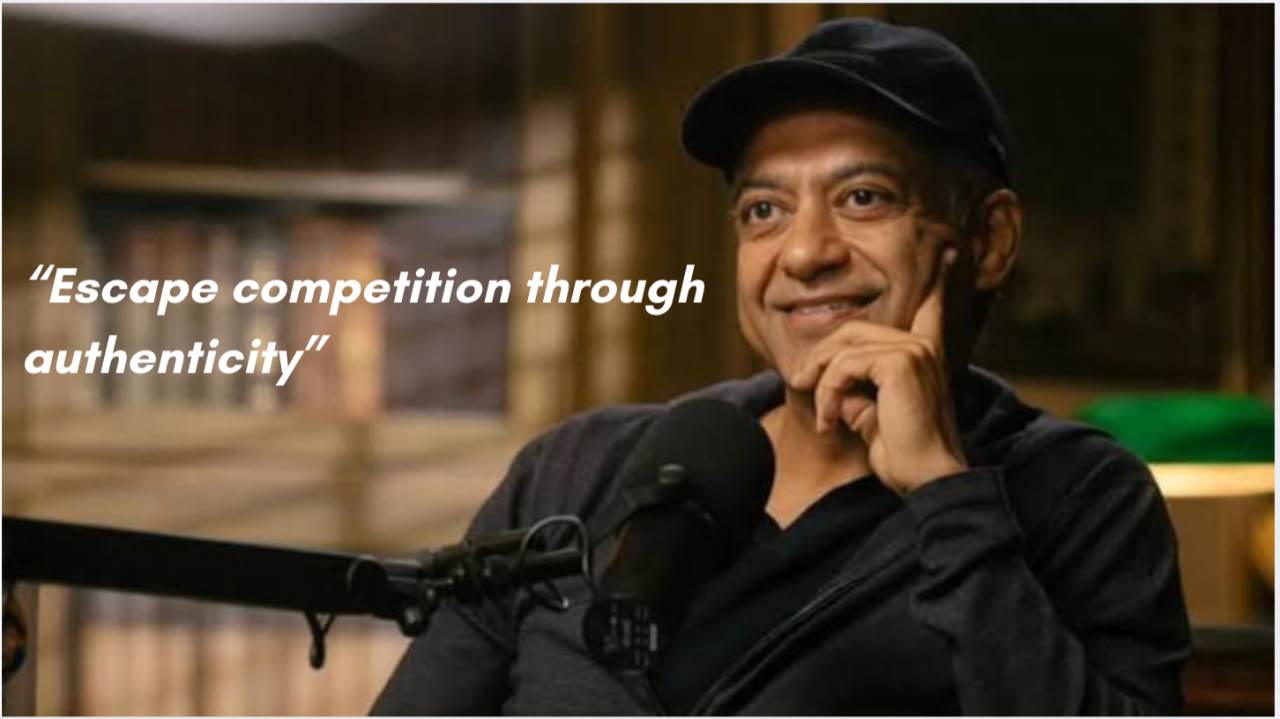
If your unique personality and authenticity aren't reflected in what you write and say, the result will always be the same: high impressions, low believers. But when authenticity is the soul of what you write and speak on the internet, every viewer becomes a potential believer in what you actually stand for.
The goal is not to become impossible to ignore. It is to become important enough to be remembered.